Hiking & Walking
Choose hiking and walking equipment around the route, distance and terrain, as a short local path can call for a different approach from a longer hike. Packed size, carrying, storage and frequency of use also matter, particularly when selecting a practical gift for someone else.
Let us help you choose
Tell us who it is for, the occasion and your budget. We’ll rank the best matches from Hiking & Walking.
Searching Hiking & Walking Search the whole shop instead
Need a hand choosing?
Send Wye Knot a message for measurements, extra photos, delivery guidance or help choosing a gift. Friendly advice is available when you need it.
Questions about Hiking & Walking
How do I choose equipment for a walk?
| Start with the route. Consider its distance and terrain, how much you expect to carry, the available storage space and how often you are likely to use the equipment.
How do I decide whether to consider trekking poles?
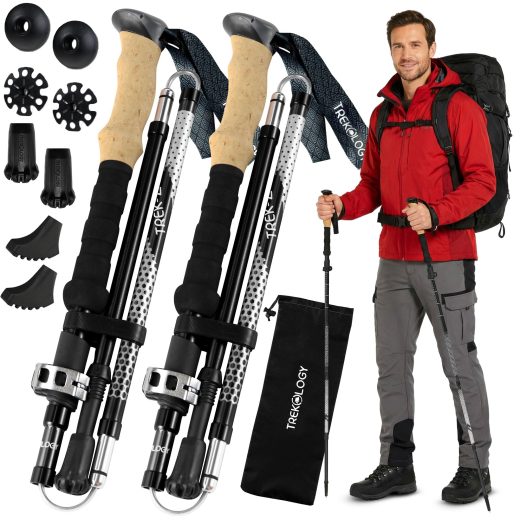
| Base the decision on the routes you expect to take, including distance and terrain. Then consider how the poles will fit your carrying and storage arrangements, and how often you expect to use them.
How should I store walking equipment between outings?
| Start with packed size and the storage space you have available. Frequency of use can then guide whether the equipment needs to be readily accessible or can be put away between planned outings.
What should I consider when buying walking equipment as a gift?
| Think about the recipient’s usual routes, from local paths to longer hikes, as well as terrain, carrying preferences, storage and frequency of use.
Start with the route
Begin with the route rather than a general idea of outdoor equipment. A familiar local path, a longer hike and changing terrain can each shape what is sensible to take, while distance may affect how much you want to carry.
When comparing options, consider packed size and where the equipment will be stored between outings. Frequency of use is another useful guide: regular routes may suit a familiar setup, while occasional hiking can point to a different choice. For trekking poles, assess the route and terrain before balancing carrying needs against storage at home.
For a gift, begin with the recipient’s usual paths and whether they favour shorter walks or longer days outdoors. Their carrying preferences and available storage are more useful clues than a broad notion of hiking gear, helping you choose for the way they actually spend time outside.